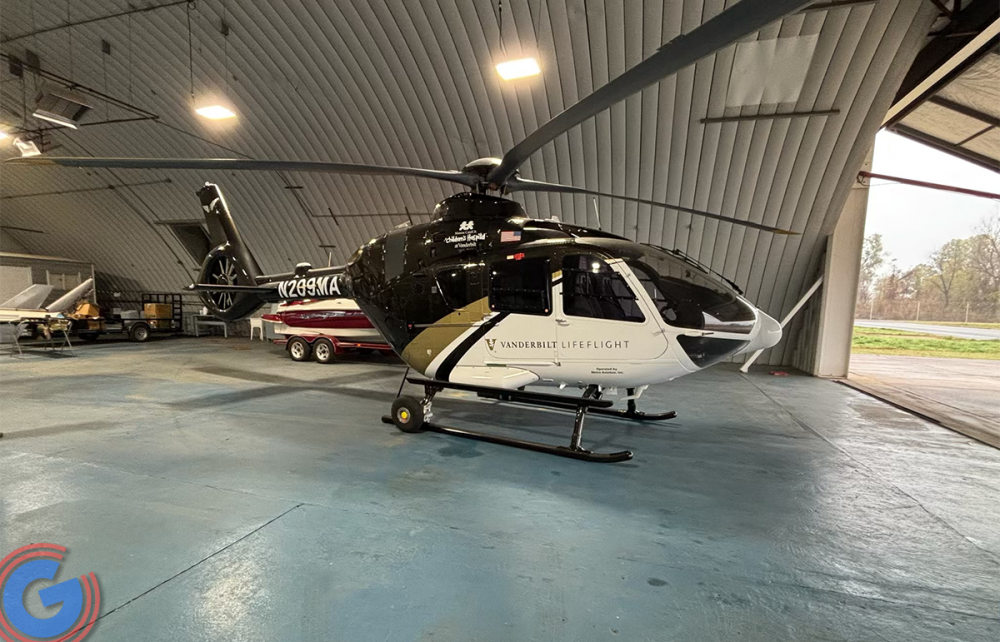
TENNESSEE - Starting in March 2026, Vanderbilt LifeFlight, the comprehensive medical transport program within Vanderbilt Health, will begin transitioning its flight services back in-house. Through a phased approach, all nine program bases are expected to complete the transition by June. The change aligns with Vanderbilt LifeFlight’s long-term goal of owning and overseeing all aspects of its flight program. While Vanderbilt LifeFlight will maintain full control and authority over medical operations and patient billing, aviation services will continue to be provided by Metro Aviation, a family-owned aviation company headquartered in Louisiana.

Sherri Dean, MHA, BSN, RN, associate nursing officer for Vanderbilt LifeFlight, said the transition represents an important step for both the organization and the communities it serves. She noted that Metro Aviation’s commitment to safety and quality in the air medical industry closely aligns with Vanderbilt LifeFlight’s values, making the company an ideal partner moving forward.
Todd Stanberry, vice president and co-owner of Metro Aviation, said the company is honored to welcome Vanderbilt LifeFlight into the Metro Aviation family. He emphasized Vanderbilt’s long-standing reputation for excellence in patient care and said Metro Aviation is committed to ensuring a safe transition and providing reliable aircraft operations for years to come.
Locally, LifeFlight Number 5, based at the Murfreesboro Municipal Airport, is staffed by a team of approximately 11 to 12 members who operate from that location and respond to numerous calls in and around Rutherford County each day.
As part of this new transition, flight dispatching overall will fall under the direction of Vanderbilt LifeFlight, in-house. FlightCom operates 24 hours a day, seven days a week, and is staffed by a team with extensive training and experience. The communications team is led by TJ Darst, MBA, director of communications for Vanderbilt LifeFlight.
Laura Price, MSN, RN, associate operating officer for Vanderbilt LifeFlight, said bringing the flight program fully in-house allows the organization to build an elite team of certified flight coordinators selected through a regional search. She said the coordinators bring deep aviation experience—most with air-ambulance and dispatch backgrounds—and are already working alongside clinicians and ground crews across the LifeFlight operation.
Throughout the transition, safety will remain the program’s top priority. Vanderbilt LifeFlight is coordinating closely with Air Methods, Metro Aviation, and safety professionals to ensure uninterrupted, high-quality patient care. Officials emphasized that the process for requesting medical transport will remain unchanged during and after the transition.
Vanderbilt LifeFlight began 41 years ago with a single helicopter based at Vanderbilt Health. Today, the program operates eight helicopter bases across Middle and West Tennessee, along with one airplane base in Lebanon, Tennessee.