TENNESSEE - Summary: The U.S. Environmental Protection Agency has approved Tennessee’s Second Planning Period Regional Haze Plan, determining the state meets all Clean Air Act and Regional Haze Rule requirements. The plan is expected to significantly improve visibility in the Great Smoky Mountains National Park, the Joyce Kilmer-Slickrock National Wilderness Area, and other protected areas affected by Tennessee-based emissions. EPA officials and Tennessee leaders praised the cooperative effort, noting projected emission reductions of 87% in sulfur dioxide and 61% in nitrogen oxide between 2011 and 2028. The approval confirms Tennessee is ahead of schedule in improving air quality while maintaining flexibility to meet local needs. Scroll down for more details.

TENNESSEE / WASHINGTON, DC - EPA Approves Tennessee Regional Haze Plan, Clearing Path for Improved Visibility in the Smokies
The U.S. Environmental Protection Agency has approved Tennessee’s Second Planning Period Regional Haze Plan, concluding that the state has met all statutory and regulatory requirements under the Clean Air Act and the Regional Haze Rule.
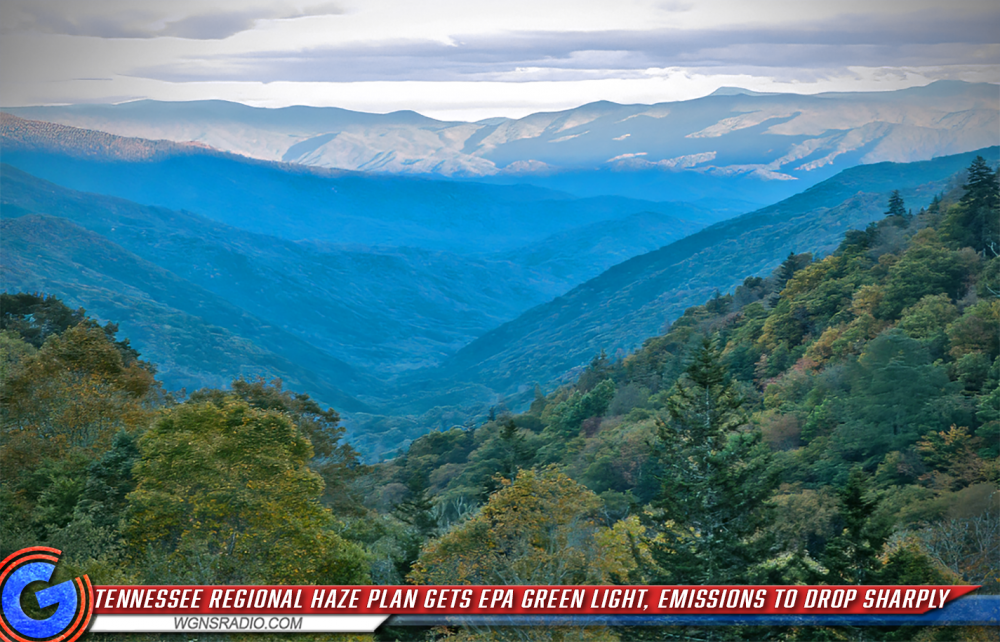
The approval is expected to lead to improved visibility in the Great Smoky Mountains National Park, the Joyce Kilmer-Slickrock National Wilderness Area, and other federally protected areas in neighboring states that are affected by air emissions originating in Tennessee.
EPA Regional Administrator Kevin McOmber said the plan reflects successful collaboration between federal and state agencies.
“EPA and Tennessee worked together on this plan, and this final action is an example of the environmental wins EPA and states are achieving through cooperative federalism,” McOmber said. “When agencies work together, we get great outcomes, such as this practical approach to the Clean Air Act that ensures clean air for all and gives states the flexibility they need to respond to their communities’ unique needs.”
Tennessee officials also welcomed the decision. State Sen. Steve Southerland said the plan will help protect both air quality and scenic views in the Smoky Mountains.
“I am thankful for the work put in by our state environmental partners and EPA to protect the views and air quality of the Great Smoky Mountains,” Southerland said.

Tennessee Department of Environment and Conservation Commissioner David Salyers said the approval confirms the state’s commitment to clean air.
“Tennessee’s regional haze plan meets all Clean Air Act requirements, and we appreciate EPA’s approval,” Salyers said. “Tennessee is – and will continue to be – a great place to live, work and raise a family because of our commitment to maintaining clean air for our citizens.”
According to EPA, Tennessee is ahead of schedule in meeting long-term visibility improvement goals. The approved plan documents projected reductions in sulfur dioxide emissions of 87% and nitrogen oxide emissions of 61% between 2011 and 2028.
Earlier this year, EPA issued an advance notice of proposed rulemaking for the third planning period of the regional haze program. The notice seeks public input to help guide potential updates to how the Regional Haze Rule is implemented and structured. EPA officials emphasized that the notice does not impose new requirements but is intended to ensure the program reflects current science, recent air-quality improvements, and congressional intent.
Under the Clean Air Act and the Regional Haze Rule, states are required to work with EPA to develop long-term strategies to reduce pollution that impairs visibility in 156 national parks and wilderness areas across the country. Each state must demonstrate reasonable progress toward eliminating existing human-caused visibility impairment and preventing future degradation.
With EPA’s approval now in place, Tennessee will continue implementing its strategy to reduce emissions while protecting some of the most iconic natural landscapes in the region.