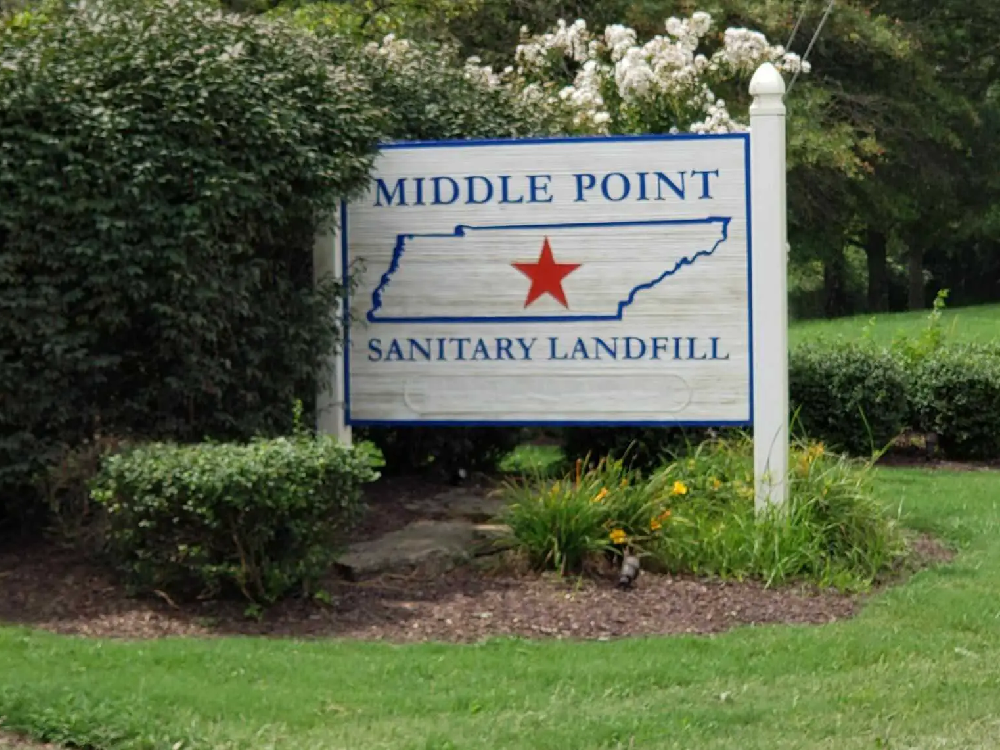
MURFREESBORO, TN - NewsRadio WGNS received this statement from the marketing firm representing Middle Point Landfill.

"On Nov. 7, Middle Point Landfill operators submitted a permit request to the Tennessee Department of Environment and Conservation (TDEC) to modify portions of the facility. This is an established industry practice that is subject to extensive comprehensive review in adherence to state procedures, including a public comment period. If approved, the modifications will help ensure Middle Point can continue to meet the community’s need for responsible and cost-effective waste disposal."
While landfill operators describe this as a routine industry practice subject to comprehensive review and public comment, the filing has reignited community concerns about oversight, accountability, and the landfill’s future capacity."
The operator of record for Middle Point is BFI Waste Systems of Tennessee, LLC, a subsidiary of Republic Services, one of the nation’s largest waste management companies. This designation is more than a formality—it establishes legal responsibility for compliance with environmental regulations and ensures that complaints, lawsuits, and enforcement actions are directed at the correct entity. Murfreesboro officials have already named both BFI and Republic Services in lawsuits alleging violations of the Clean Water Act and Clean Air Act.
Recent disputes highlight the tension between local oversight and state-level processes. City leaders argue that BFI has attempted to bypass regional approval requirements by filing expansion requests directly with TDEC. The landfill has faced seven environmental violations in the past year and more than 4,000 odor complaints from residents, fueling frustration over quality-of-life impacts. Alleged leachate discharges into the East Fork Stones River have also raised alarms about drinking water safety.
At the same time, landfill operators stress that modifications are necessary to maintain responsible and cost-effective waste disposal. Without expansion, Middle Point is projected to reach maximum capacity within seven years, a timeline that underscores the urgency of finding long-term solutions.
The debate over Middle Point reflects broader questions about how Tennessee communities balance waste management needs with environmental protection and neighborhood well-being. For Murfreesboro residents, the issue is not just about trash—it’s about accountability, transparency, and the future of their community.